Roofing Materials Demystified: From Traditional Options to Cutting-Edge Innovations Apr 04, 2026
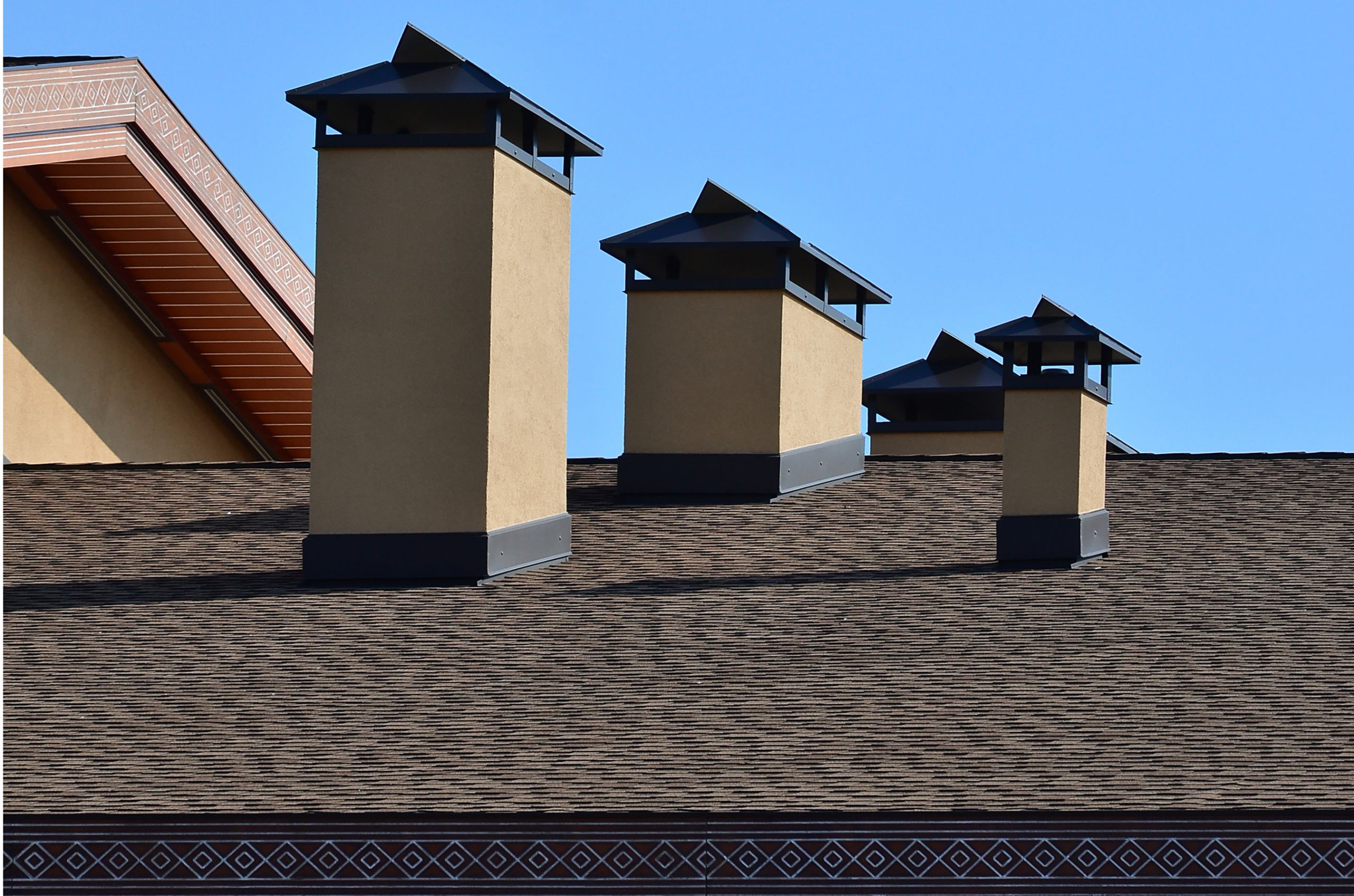
Roofing materials have evolved significantly over the years. Traditional options like asphalt shingles have long been favored due to their affordability and ease of installation. Made from a base of either fiberglass or organic materials, asphalt shingles are coated with asphalt and mineral granules to resist wear and tear. Their wide range of colors and styles allows for customization, making them a popular choice among homeowners.
Another traditional material is clay tiles, known for their classic appeal and durability. Often seen on Mediterranean-style homes, clay tiles can last for over a century when maintained properly. Although they are more expensive and heavier than shingles, their resistance to fire and excellent thermal properties make them a worthwhile investment.
Slate roofing is another time-tested material highly regarded for its natural beauty and longevity. A slate roof can easily last a century or more. While the upfront cost and weight considerations are significant factors, the aesthetic appeal and durability of slate can substantially enhance the value of a home.
A foray into modern roofing materials introduces us to metal roofing systems. These are not only robust but also eco-friendly and energy-efficient. Available in a variety of metals including steel, aluminum, and copper, metal roofs reflect sunlight, significantly reducing cooling costs. Their long lifespan and low maintenance requirements make them an increasingly popular choice.
For a more contemporary approach to roofing, composite shingles offer the look of more expensive materials such as slate or wood but without the associated costs or maintenance. Made from polymer blends, composite roofing provides durability and flexibility in design while being lighter and more cost-effective.
Innovation in roofing materials has also led to the creation of solar shingles. A boon for those aiming for sustainability, solar shingles function as a roof and a power generator, seamlessly integrating with the home's overall design. Although the initial cost is higher, the potential for energy savings is a compelling financial and environmental incentive.
Green roofs are gaining traction as a part of modern architecture. These roofs are covered with vegetation and provide both aesthetic and environmental benefits, such as improved air quality and reduced urban heat island effect. While they require structural considerations due to their added weight, their ability to insulate and manage stormwater is unparalleled.
Navigating the myriad of roofing materials can seem daunting, but with expert guidance from Top Level Roofing, you can select the material that's just right for your needs. Whether you’re prioritizing budget, aesthetics, sustainability, or durability, there is a roofing solution available today that fits the bill.
In conclusion, understanding the differences between traditional and innovative roofing materials is crucial for making an informed decision. At Top Level Roofing, we believe every customer deserves a roof that not only protects but also complements their home. With this newly acquired knowledge, you’re on your way to achieving both peace of mind and an aesthetically pleasing property. Let us help you accomplish your roofing goals with a range of services and expertise tailored to your specific requirements.
/filters:no_upscale()/filters:format(webp)/media/c7c79a14-e408-4a9c-9ed6-b13532405a65.jpeg)
/filters:no_upscale()/filters:format(webp)/media/374fa593-79bd-4249-884e-4f4d9e789544.png)