Protect Your Investment: The Role of Roofing in Home Insurance Jan 03, 2026
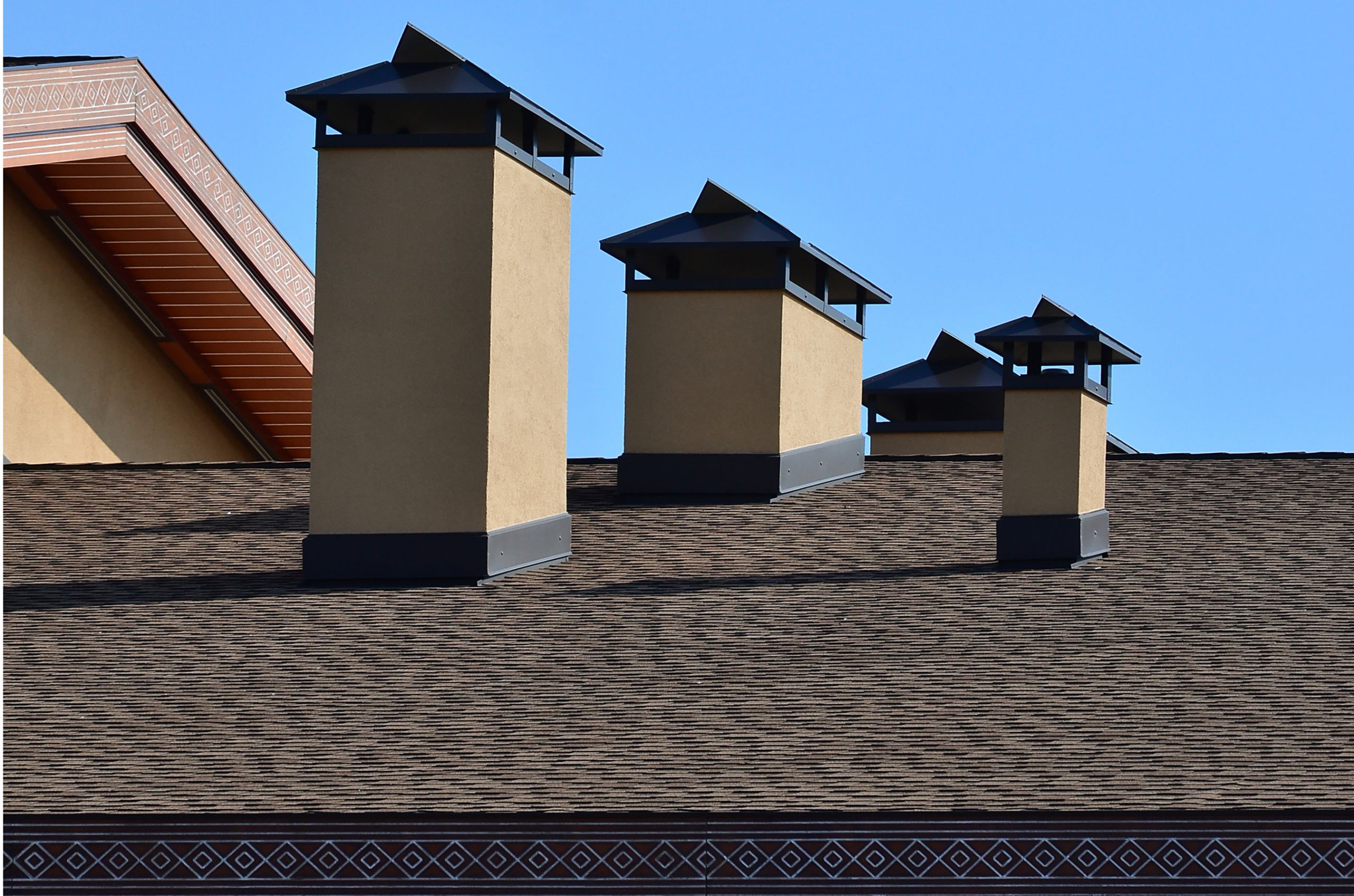
Your roof is your home’s first line of defense against the elements. It shields your property from rain, wind, snow, and sunlight, effectively maintaining the structural integrity of your home. When your roof is in poor condition, it's not just your home that suffers, but also your insurance premiums. Insurance companies assess the state of your roof when determining your coverage options. A well-maintained roof can translate into lower premiums, while a neglected one could result in higher costs and even coverage denial.
Choosing the right material for your roof is another critical factor. Different materials offer varying levels of durability and affordability. For instance, asphalt shingles, one of the most common roofing materials, provide a blend of cost-effectiveness and decent longevity. Metal roofs, on the other hand, offer superior durability and lower long-term maintenance costs, which might make them a more appealing option for homeowners aiming to reduce insurance costs.
Regular maintenance is key to preserving your roof’s condition and, consequently, your home insurance rates. Conduct annual inspections, ideally before the winter months hit. Look for damaged or missing shingles, leaks, and signs of wear and tear. Engaging professional roofing services like Top Level Roofing for these inspections not only ensures accuracy but also helps in documenting evidence of regular maintenance, which can be beneficial when discussing policy terms with your insurance provider.
Age plays a critical role in how your roof affects your insurance policy. Older roofs are more prone to damage and often require more frequent repairs. As a roof exceeds 20 years of service, insurance companies may start to regard it as a liability, potentially increasing premiums or limiting coverage. Replacing an aging roof demonstrates to insurers your commitment to maintaining your home, which can result in more favorable insurance terms.
Additionally, upgrades such as impact-resistant roofing can influence your policy. This kind of investment enhances your home’s resistance to harsh weather conditions, a selling point for insurance companies as it minimizes their risk. By installing high-quality materials, not only do you add value to your property, but you also position yourself better in the eyes of insurers.
In conclusion, the roof over your head does more than just offer physical protection. It plays a significant role in determining your home insurance terms. By choosing the right materials, maintaining your roof diligently, and understanding its influence on insurance policies, you shield your investment from potential financial distress. For homeowners looking to optimize their insurance coverage while ensuring the longevity of their roof, consulting with experts like those at Top Level Roofing is a wise step forward. Investing in your roof now can lead to substantial savings and peace of mind down the line. Remember, a safer, more resilient roof could mean a safer, more financially secure future.
/filters:no_upscale()/filters:format(webp)/media/c7c79a14-e408-4a9c-9ed6-b13532405a65.jpeg)
/filters:no_upscale()/filters:format(webp)/media/374fa593-79bd-4249-884e-4f4d9e789544.png)